
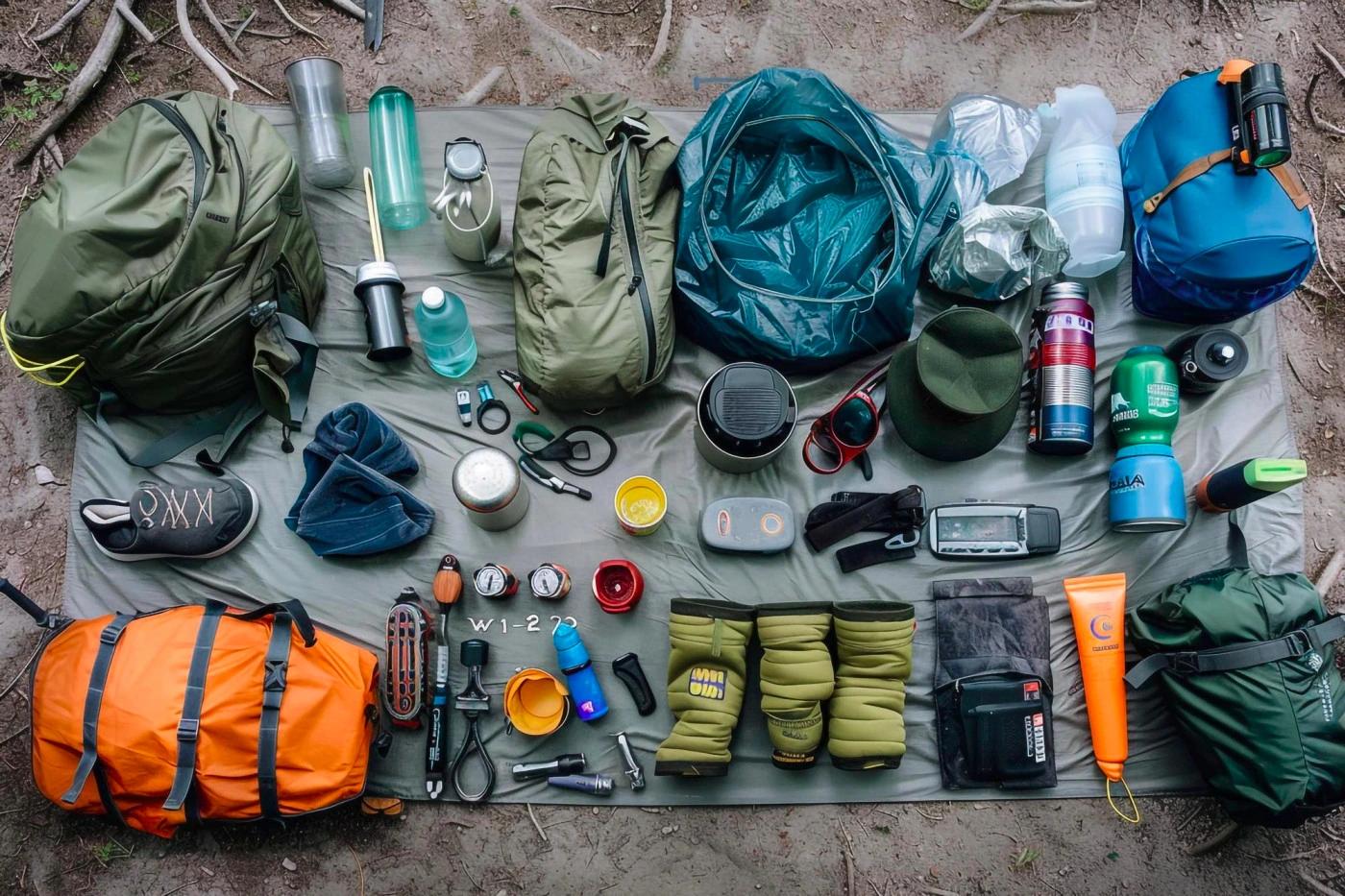
Packing for the Annapurna Circuit Trek is less about carrying everything you own and more about choosing the right equipment for a route that changes dramatically in altitude, temperature and weather.
You can start the trek in relatively mild conditions in the lower Marsyangdi Valley and eventually cross Thorong La at 5,416 metres (17,769 ft). Along the way, you may experience warm sunshine, rain, cold mornings, strong mountain winds, snow and freezing temperatures.
That makes the Annapurna Circuit different from a trek where the weather stays relatively consistent from beginning to end.
The best packing strategy for 2026/27 is therefore: layer smartly, pack for the highest point, protect yourself from sun and cold, and avoid unnecessary weight.
This guide gives you a practical Annapurna Circuit Trek packing list covering clothing, footwear, backpack, sleeping equipment, toiletries, electronics, documents, first aid, food, water and optional gear.
It also explains what you don’t need to pack, which can be just as useful as knowing what to bring.
Annapurna Circuit Trek Packing List at a Glance
If you want the short version, these are the essentials:
Clothing
- Moisture-wicking base layers
- Trekking shirts
- Trekking trousers
- Fleece or mid-layer
- Insulated/down jacket
- Waterproof/windproof jacket
- Thermal underwear
- Warm hat
- Sun hat
- Gloves
- Trekking socks
- Underwear
Footwear
- Broken-in trekking boots or shoes
- Lightweight camp shoes/sandals
- Warm trekking socks
Backpack & bags
- 35–45 L trekking backpack
- Waterproof backpack cover
- Duffel bag if using porter service
- Dry bags or waterproof packing cubes
- Small daypack if your porter carries your main luggage
Sleeping
- Four-season or warm sleeping bag suitable for the season
- Sleeping bag liner, optional
- Small travel pillow or inflatable pillow, optional
Trekking gear
- Trekking poles
- Headlamp
- Sunglasses
- Water bottle or hydration system
- Water purification method
- Quick-dry towel
- Basic first-aid kit
Personal essentials
- Passport
- Permits/TIMS documentation
- Travel insurance details
- Cash
- Personal medication
- Sunscreen
- Lip balm
- Toiletries
Electronics
- Phone
- Power bank
- Charging cables
- Camera, optional
- Universal travel adapter, if needed
What Makes the Annapurna Circuit Trek Packing List Different?
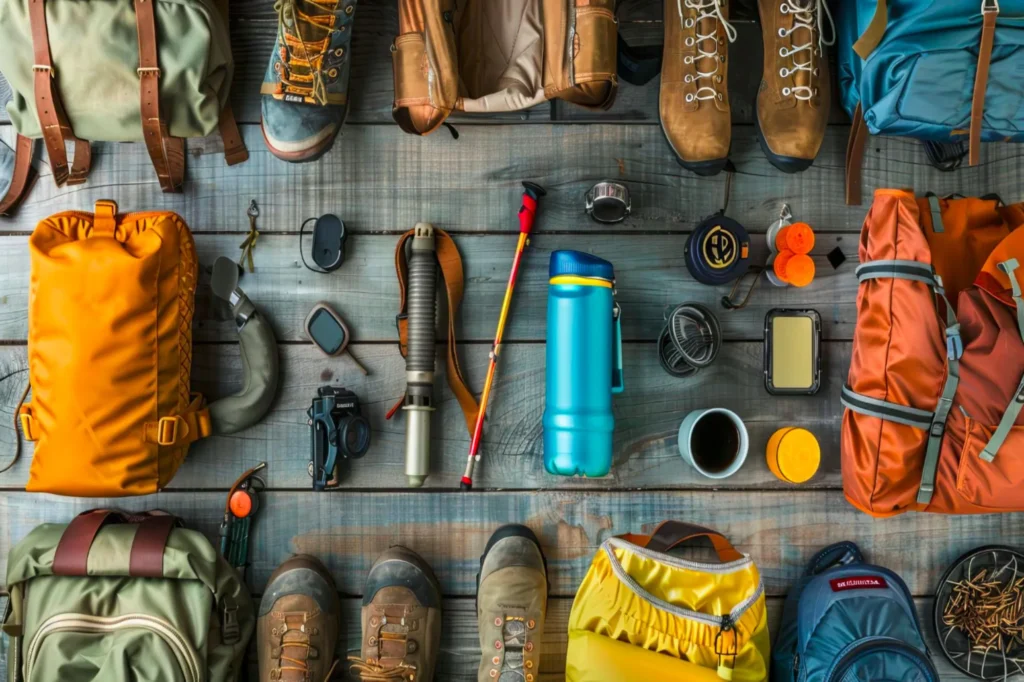
The Annapurna Circuit passes through several climatic and geographic zones.
Lower sections can be relatively warm, while the route toward Manang becomes progressively colder and drier. After Manang, the trail continues into high-altitude terrain before reaching Thorong La.
This means you should not pack for only one type of weather.
You need a system that allows you to add or remove layers throughout the day.
For example:
Morning: base layer + fleece + insulated jacket
Midday: base layer + trekking shirt
Windy section: add windproof shell
Rain/snow: waterproof outer layer
Evening: fleece + insulated jacket + warm hat
This layering approach is much more practical than carrying several bulky sweaters.
Complete Annapurna Circuit Trek Packing List
1. Trekking Backpack
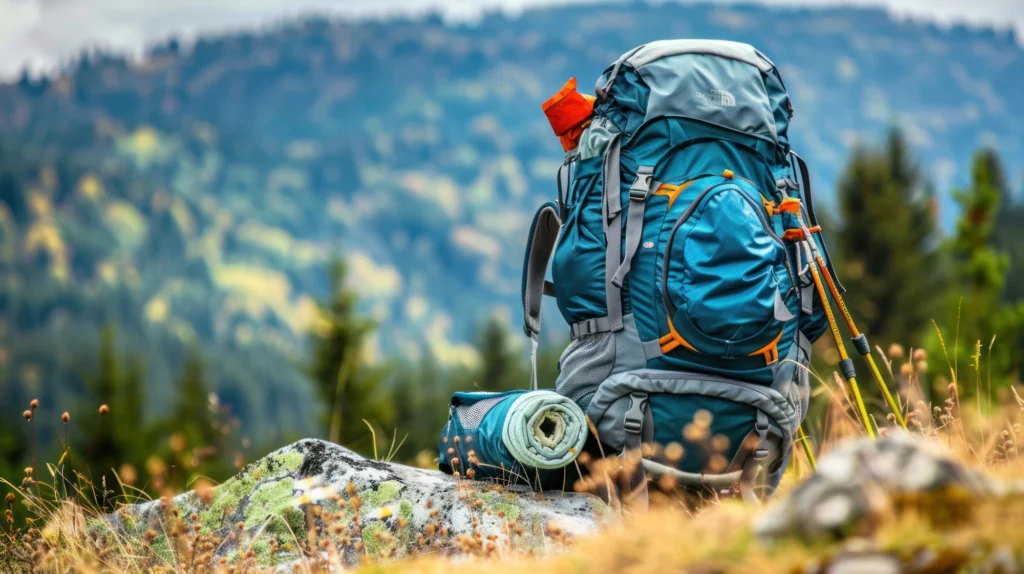
If you are carrying your own equipment, a 35–45 litre backpack is generally sufficient for a well-organized Annapurna Circuit trek.
Look for:
- Comfortable hip belt
- Adjustable shoulder straps
- Good back ventilation
- Multiple compartments
- Easy-access pockets
- Hydration compatibility
- Rain protection
Do not choose a huge backpack simply because it gives you more space. A larger bag often encourages you to pack more.
If you use a porter
Your main luggage can go in a duffel bag, while you carry a smaller daypack containing everything you need during the day’s walk.
A practical daypack is usually around 20–30 litres. Keep your valuables, documents, electronics, water and essential medication with you rather than putting them in your main luggage.
2. Clothing: The Layering System
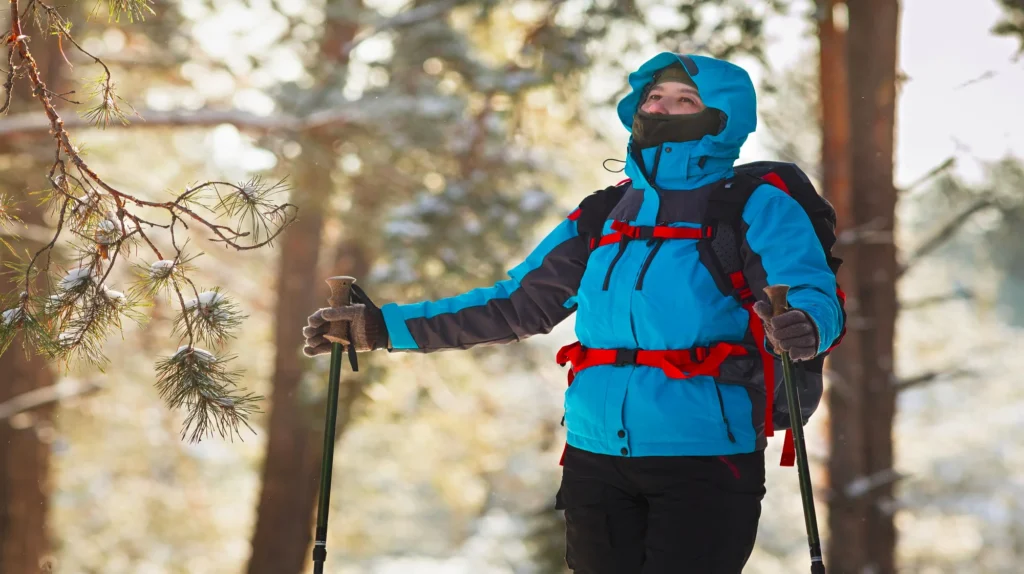
Clothing is one of the most important parts of your Annapurna Circuit trek packing list. Instead of packing many individual outfits, build a simple layering system.
Base Layers
Bring:
- 2–3 moisture-wicking trekking shirts
- 1–2 thermal tops
- 1–2 thermal bottoms
Avoid relying heavily on cotton.
Cotton absorbs moisture and dries slowly, which is inconvenient when temperatures drop. Synthetic or merino-wool layers are more practical for trekking.
Trekking Trousers
Pack:
- 2 pairs of lightweight trekking trousers
- 1 pair of thermal leggings/base-layer bottoms
- Optional lightweight shorts for warmer lower sections
Convertible trekking trousers can be useful if you want to reduce the amount of clothing you carry. You do not need a different pair of trousers for every trekking day.
Fleece or Mid-Layer
Bring at least one warm fleece or similar insulating mid-layer.
This is one of the most frequently useful items on the trek.
A fleece can be worn:
- In the morning
- During windy sections
- Around teahouses
- In the evening
- Under an insulated jacket
Down or Insulated Jacket
A good insulated jacket is essential for the higher sections. Choose a jacket that is:
- Warm
- Lightweight
- Packable
- Easy to layer
- Suitable for cold mornings and evenings
This is one item where trying to save too much weight or money can backfire.
Waterproof Jacket
Your outer shell should protect against:
- Rain
- Snow
- Wind
- Cold weather
Look for a genuinely waterproof jacket rather than a jacket that is merely marketed as water-resistant.
A hood is highly useful.
Waterproof Trousers
Waterproof trousers are optional for some travelers but highly recommended if trekking during periods when rain or snow is possible.
They can also be useful in strong wind around exposed high-altitude sections.
If you are trekking during a drier season, you may use them very little, but when conditions turn bad, you will appreciate having them.
3. Underwear and Socks
Pack approximately:
- 4–6 pairs of underwear
- 3–4 pairs of trekking socks
- 1–2 pairs of warm socks
You do not need a completely fresh outfit every day. Quick-drying clothing can be washed when conditions and accommodation allow.
Avoid ordinary cotton socks
Choose wool or synthetic trekking socks that manage moisture and reduce friction. Carry at least one dry pair specifically for sleeping.
4. Headwear and Gloves
Bring both warm-weather and cold-weather head protection.
Sun protection
- Wide-brimmed hat or cap
- Buff/neck gaiter
Cold protection
- Warm beanie
- Fleece or wool hat
- Lightweight liner gloves
- Warm insulated gloves
A buff is particularly useful because it can protect your:
- Neck
- Face
- Ears
- Head
from sun, wind and dust.
5. Footwear for the Annapurna Circuit
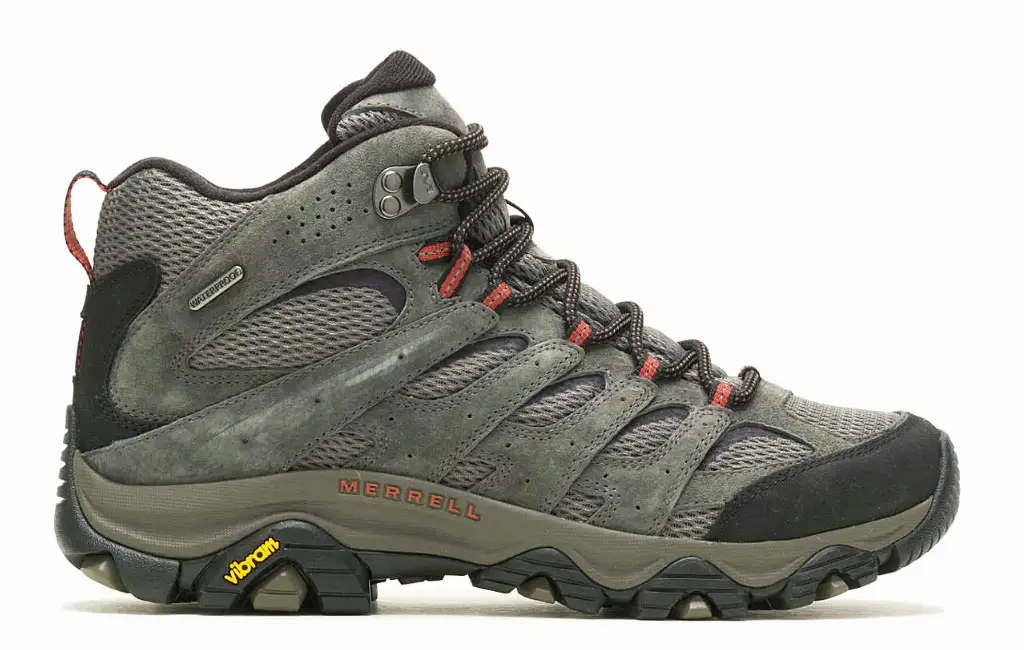
Your footwear deserves careful consideration.
Main trekking shoes or boots
Choose footwear that is:
- Already broken in
- Comfortable for long days
- Supportive
- Suitable for uneven terrain
- Appropriate for your personal trekking style
Do not bring brand-new boots and expect to break them in during the trek. Blisters can quickly turn an otherwise enjoyable trek into a painful one.
Waterproof boots: necessary?
Not necessarily for every trekker. Waterproof footwear can be useful in wet or snowy conditions, but it may feel warmer and less breathable in dry weather.
Choose based on:
- Season
- Personal preference
- Route conditions
- Previous hiking experience
Camp Shoes
Bring lightweight footwear for evenings. Good options include:
- Sandals
- Lightweight sneakers
- Comfortable slip-ons
After walking for several hours, changing out of trekking boots is a small luxury that makes a big difference.
6. Sleeping Bag
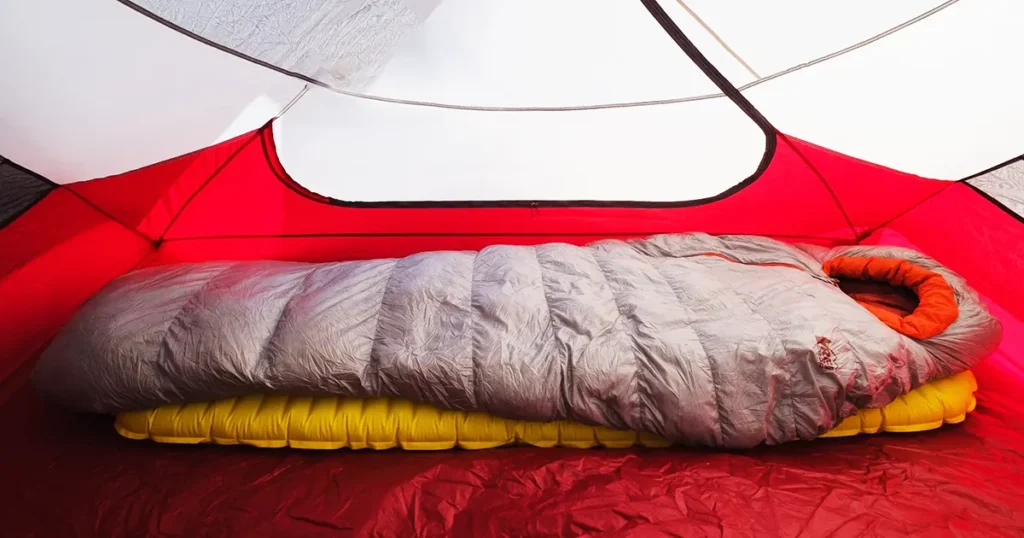
A warm sleeping bag is one of the most important items on the Annapurna Circuit. Although many teahouses provide blankets, you should not rely entirely on them for warmth.
Your sleeping bag should be selected according to:
- Trekking season
- Expected nighttime temperatures
- Your personal cold tolerance
- The route’s highest sleeping elevations
For colder seasons, a warm four-season sleeping bag is a sensible choice. A sleeping bag liner can provide additional warmth and keep the sleeping bag cleaner.
Can you rent a sleeping bag in Nepal?
Yes, you can rent trekking equipment in Kathmandu and Pokhara, which can be useful if you don’t want to buy expensive high-altitude gear for a single trek.
Before renting, check the bag’s condition and temperature rating rather than choosing based solely on appearance.
7. Trekking Poles
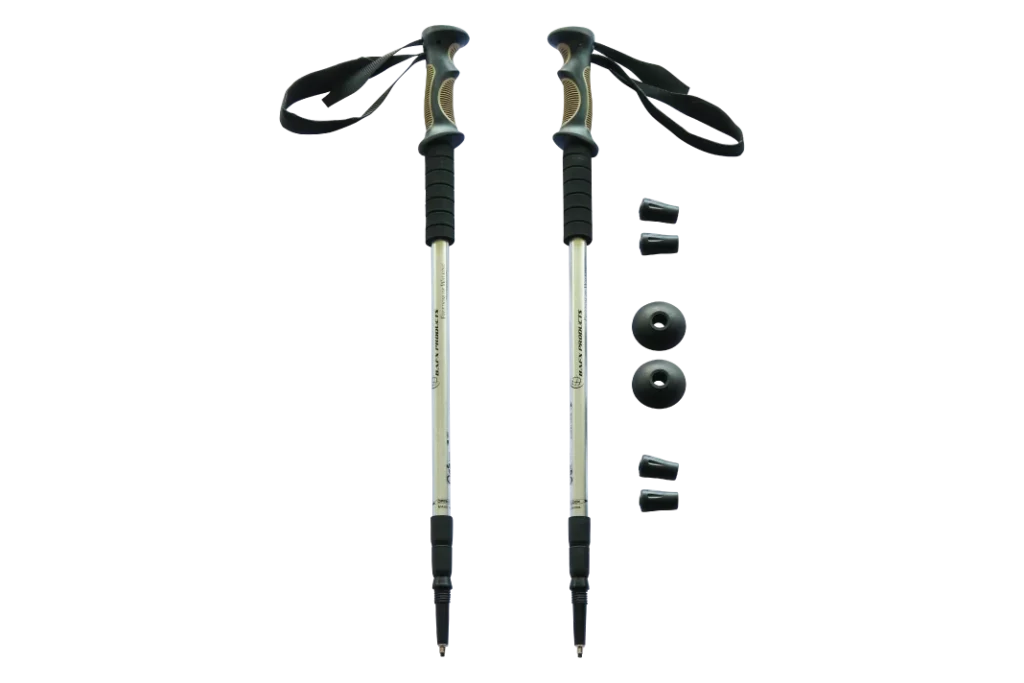
Trekking poles are strongly recommended, particularly for the Annapurna Circuit.
They can help with:
- Long descents
- Uneven trails
- Rocky sections
- Snow
- Balance
- Reducing stress on knees
They are especially useful after crossing Thorong La when the route descends toward Muktinath.
If you have never used trekking poles, practice with them before the trek.
8. Sunglasses and Sun Protection
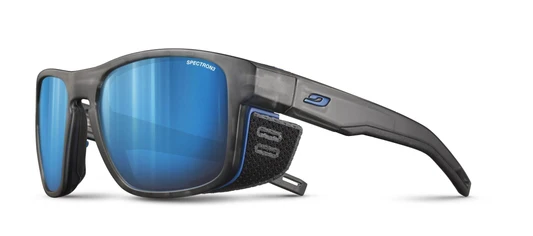
Do not underestimate the Himalayan sun. At higher elevations, strong sunlight can become uncomfortable even when temperatures are low.
Bring:
- Good-quality sunglasses
- SunscreenMuktinath
- Lip balm with SPF
- Sun hat
- Buff or neck covering
For high-altitude sections, sunglasses with strong UV protection are particularly important.
A spare pair of sunglasses is also a good idea if your trip involves remote sections.
9. Water and Hydration
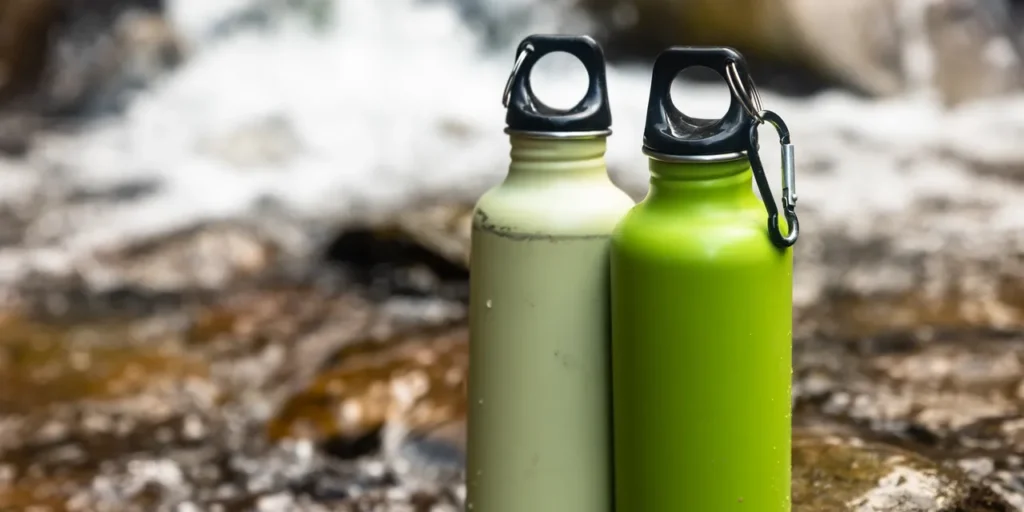
Staying hydrated is essential during a multi-day high-altitude trek.
Carry either:
- A reusable water bottle
- Hydration bladder
- Or a combination of both
A practical setup is to carry around 2 litres of water capacity, increasing or decreasing according to the day’s conditions and availability.
Water purification
Bring one reliable purification method:
- Water purification tablets
- Filter
- UV purifier
- Other trusted treatment system
Do not assume every water source along the route is automatically safe to drink.
10. First-Aid and Personal Medicine
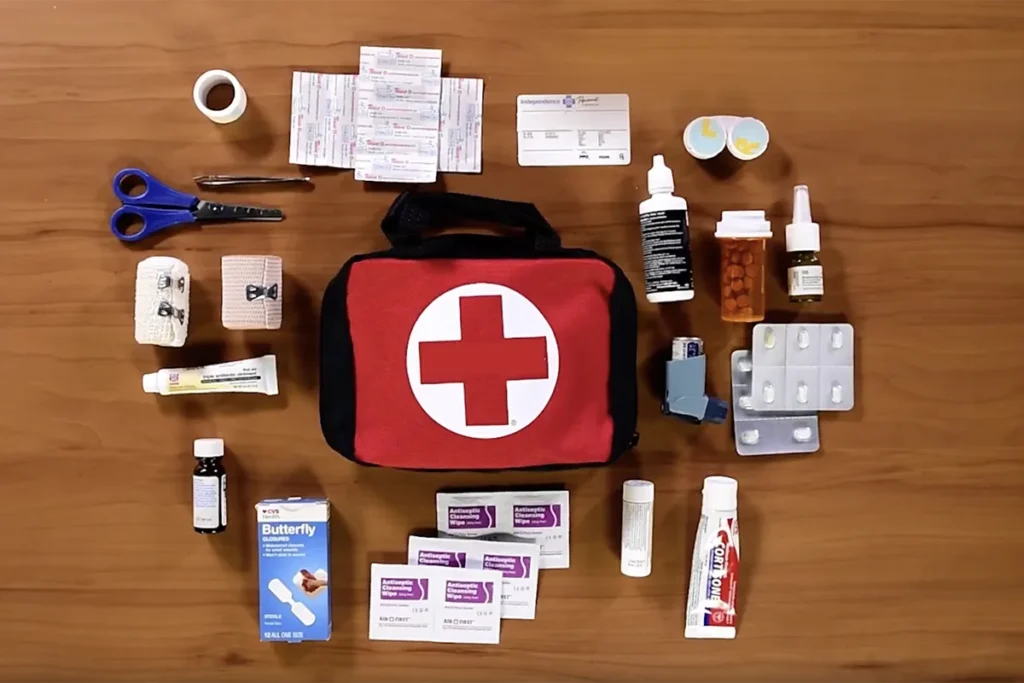
You do not need to carry a full medical clinic. A compact personal kit is enough for most trekkers.
Consider carrying:
- Blister treatment
- Adhesive bandages
- Antiseptic wipes
- Gauze
- Pain-relief medication
- Personal prescription medicines
- Oral rehydration salts
- Basic stomach medication
- Small scissors
- Athletic tape
Altitude medication
If you are considering medication for altitude illness, discuss it with a qualified healthcare professional before your trek.
Do not self-prescribe based solely on advice from another trekker or a random online packing list.
Nepal Tourism Board also advises high-altitude trekkers to understand Acute Mountain Sickness and provides emergency guidance for trekkers.
11. Toiletries and Personal Hygiene

Keep toiletries compact.
Pack:
- Toothbrush
- Toothpaste
- Biodegradable soap
- Small shampoo
- Deodorant
- Moisturizer
- Sunscreen
- Lip balm
- Wet wipes
- Toilet paper/tissues
- Hand sanitizer
- Small quick-dry towel
Wet wipes are useful—but don’t overpack them
They can be extremely useful on trekking days, but take care of your waste.
The Annapurna region has increasing visitor pressure, so minimizing disposable products is a better approach than carrying excessive single-use items.
12. Electronics
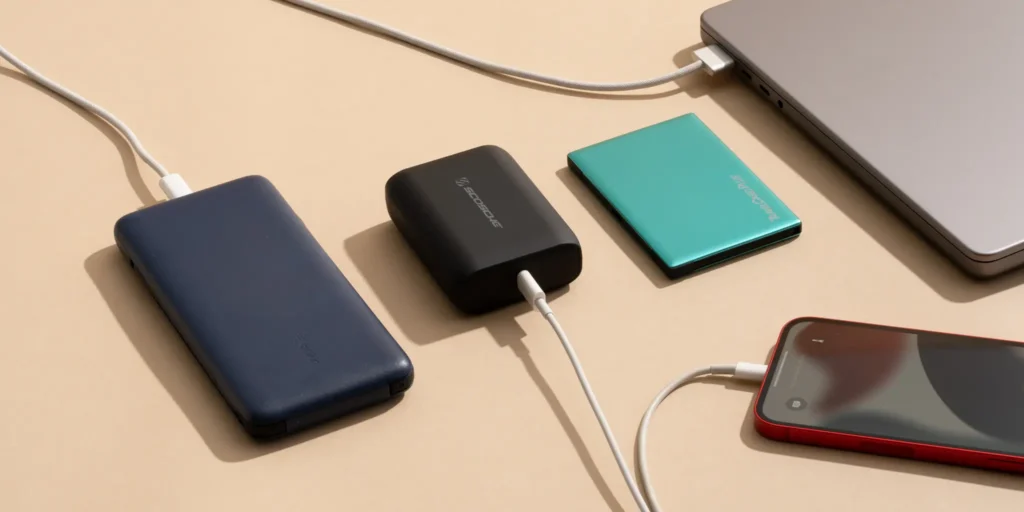
You do not need to bring your entire electronics collection.
For most trekkers:
- Smartphone
- Charging cable
- Power bank
- Headlamp
- Camera, optional
is enough.
Power bank
A 10,000–20,000 mAh power bank is a practical option for keeping your phone charged between charging opportunities.
If you use your phone heavily for photography, navigation and communication, consider the larger capacity.
Headlamp
A headlamp is essential. Choose one with:
- Good battery life
- Adjustable brightness
- Spare batteries or USB charging
You may need it for early starts, power interruptions or moving around the teahouse after dark.
13. Documents and Money
Keep important documents in a waterproof pouch.
Carry:
- Passport
- Trekking permits
- TIMS documentation
- Travel insurance details
- Emergency contact information
- Copies of important documents
- Passport-size photos if required
- Some Nepalese rupees
For the Annapurna Circuit, current official guidance lists the route among the trekking areas where a licensed guide and agency-issued TIMS card are required. The Nepal Tourism Board currently lists the TIMS charge for non-SAARC applicants at NPR 2,000.
Your trekking agency should handle the applicable documentation, but you should still keep copies of your important documents with you.
14. Money: How Much Cash Should You Carry?
Do not depend entirely on cards or digital payments. Carry enough Nepalese rupees to cover:
- Meals
- Drinks
- Charging
- Showers
- Wi-Fi
- Snacks
- Small purchases
- Unexpected expenses
The exact amount depends on your itinerary and what your package includes.
If accommodation and meals are already included, your personal daily spending will obviously be lower. A small emergency reserve should always be kept separately from your main cash.
15. Snacks for the Trail
Teahouses provide meals throughout the route, so you do not need to carry a backpack full of food.
A few compact snacks are useful:
- Energy bars
- Nuts
- Dried fruit
- Chocolate
- Trail mix
- Electrolyte sachets
Choose foods you already know your stomach tolerates. The goal is to supplement meals, not replace them.
16. Navigation and Emergency Essentials
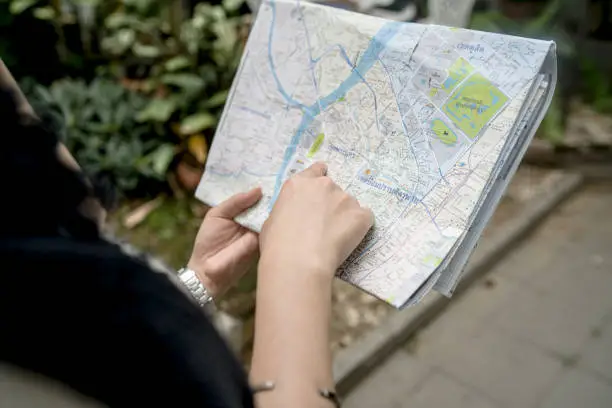
Even if you are trekking with a guide, carry basic navigation information. Useful items include:
- Offline map on your phone
- Route information
- Emergency contacts
- Headlamp
- Whistle
- Power bank
If you trek independently where permitted, navigation becomes even more important.
For organized treks, your guide should be responsible for route management, but keeping offline information on your phone is still sensible.
17. Optional Items Worth Bringing
These are not essential for everyone, but they can improve comfort.
Optional comfort items
- Earplugs
- Eye mask
- Small pillow
- Book or Kindle
- Playing cards
- Camera
- Binoculars
- Lightweight thermos
- Travel towel
- Small laundry bag
For photographers
Consider:
- Extra memory cards
- Spare batteries
- Lens cloth
- Small camera bag
- Lightweight tripod, if genuinely necessary
Avoid carrying heavy camera equipment unless photography is one of the main purposes of your trek.
What You Don’t Need to Pack
A good packing list is also about knowing what to leave behind.
You generally do not need:
- Multiple heavy sweaters
- Several pairs of jeans
- Large towels
- Full-size toiletries
- Hair dryers
- Multiple pairs of casual shoes
- Large speakers
- Excessive cooking equipment
- A huge first-aid kit
- Large quantities of food
- Multiple heavy cameras
- Expensive jewelry
- Clothes for every possible weather condition
The Annapurna Circuit already provides access to teahouses and basic services along much of the route.
The goal is not to recreate your home inside your backpack.
Annapurna Circuit Packing List by Weight
If you are carrying your own backpack, try to keep the load manageable.
A useful target for the main trekking gear and clothing is approximately:
8–12 kg, depending on the season, equipment and personal requirements.
If you are using a porter, you can carry a smaller daypack while your main luggage is transported separately.
However, do not use porter service as an excuse to pack unnecessarily.
Porters are carrying human loads through challenging terrain. Packing responsibly is part of responsible trekking.
Annapurna Circuit Packing List for Different Seasons
Your packing list should change slightly depending on when you trek.
March–May
Prioritize:
- Lightweight layers
- Fleece
- Insulated jacket
- Waterproof shell
- Sun protection
- Warm sleeping bag
Spring can offer comfortable daytime trekking while remaining cold at higher elevations.
June–August
The monsoon affects much of the Annapurna approach, although conditions vary considerably across the region.
Prioritize:
- Waterproof jacket
- Waterproof trousers
- Backpack rain cover
- Dry bags
- Quick-drying clothing
- Extra socks
- Waterproof footwear or appropriate protection
- Insect protection for lower elevations
Road and trail conditions can change significantly during the monsoon.
September–November
This is one of the most popular seasons for the Annapurna Circuit.
Bring:
- Layering system
- Warm insulated jacket
- Waterproof shell
- Good trekking footwear
- Sun protection
- Warm sleeping bag
Pack for cold mornings and evenings even if daytime conditions are pleasant.
December–February
Winter requires the most serious cold-weather preparation.
Prioritize:
- Warm down/insulated jacket
- Thermal base layers
- Warm gloves
- Hat
- Thick trekking socks
- Warm sleeping bag
- Waterproof/warm footwear
- Neck gaiter
- Reliable shell jacket
Snow and freezing conditions can affect higher parts of the route.
Annapurna Circuit Packing List for Thorong La
Thorong La is the highest point of the classic Annapurna Circuit at 5,416 metres, so your gear needs to be suitable for a cold, exposed environment.
For the pass day, make sure you have easy access to:
- Warm insulated jacket
- Base layer
- Fleece
- Waterproof/windproof shell
- Warm gloves
- Hat
- Sunglasses
- Sunscreen
- Water
- Snacks
- Trekking poles
- Headlamp
- Phone
- Personal medication
Keep your warm layer accessible
Do not bury your down jacket at the bottom of your backpack.
You may need to add or remove layers quickly as the temperature and wind change.
What Should Go in Your Daypack?
If a porter carries your main luggage, your daypack should contain everything you might need during the day’s trek.
A practical daypack includes:
- Water
- Snacks
- Waterproof jacket
- Fleece or insulated layer
- Gloves
- Sun hat
- Sunglasses
- Sunscreen
- Phone
- Camera
- Power bank
- Personal medication
- Small first-aid supplies
- Passport/documents if required
Think of your daypack as your personal emergency and comfort kit.
If your main luggage arrives several hours later, you should still be comfortable.
How to Pack Your Backpack Efficiently
Use the access principle:
Bottom
Put items you will not need during the day:
- Sleeping clothes
- Spare clothes
- Less-used equipment
Middle
Place heavier items close to your back:
- Electronics
- Toiletries
- Other moderately heavy equipment
Top
Keep frequently used items accessible:
- Jacket
- Gloves
- Water
- Snacks
- Sunglasses
External pockets
Use them for:
- Water
- Tissues
- Sunscreen
- Small accessories
Keep valuable electronics and important documents protected from rain.
A Simple 10–14 Day Annapurna Circuit Clothing Strategy
You do not need 14 complete outfits for a 10–14-day trek.
A practical system could be:
- 3 trekking shirts
- 2 trekking trousers
- 1 thermal top
- 1 thermal bottom
- 1 fleece
- 1 insulated jacket
- 1 waterproof jacket
- 1 waterproof trouser
- 4 pairs of underwear
- 3–4 pairs of trekking socks
- 1 pair warm socks
- 1 sun hat
- 1 warm hat
- 1 pair liner gloves
- 1 pair warm gloves
Laundry can be done when appropriate, particularly in larger villages.
This approach keeps the pack considerably lighter than carrying a new outfit for every day.
Should You Rent or Buy Trekking Gear in Nepal?
You can do either.
Buy if:
- You trek regularly
- You want equipment fitted specifically to you
- You already know your preferred brands
- You plan to use the equipment again
Rent if:
- This is your first high-altitude trek
- You do not want to invest in expensive equipment
- You travel infrequently
- You need bulky cold-weather gear for one trip
For items that affect comfort and safety, particularly boots, socks and personal clothing layers, using your own properly fitted equipment is usually preferable.
For bulky items such as sleeping bags or down jackets, rental can be practical.
Common Packing Mistakes on the Annapurna Circuit
- Packing too much: The most common mistake is bringing too many clothes. You do not need a separate outfit for every day.
- Bringing untested footwear: Never make the Annapurna Circuit the first place you wear new trekking boots.
- Ignoring the highest altitude Packing only for warm lower elevations is a mistake. Your equipment needs to work for the conditions around Thorong La.
- Carrying too much food: Teahouses provide meals and snacks along the route.
- Forgetting sun protection: Cold temperatures do not mean weak sunlight.
- Relying only on your phone: Phones can run out of battery, especially in cold conditions.
- Packing expensive unnecessary equipment: Extra weight becomes increasingly noticeable as the trek progresses.
Final Annapurna Circuit Packing Checklist
Before leaving for the trek, check these items one more time:
Documents
- Passport
- Travel insurance
- Trekking permits
- TIMS documentation
- Emergency contacts
- Copies of important documents
- Cash
Clothing
- Trekking shirts
- Trekking trousers
- Thermal layers
- Fleece
- Insulated jacket
- Waterproof jacket
- Waterproof trousers
- Underwear
- Trekking socks
- Warm socks
- Sun hat
- Warm hat
- Gloves
- Buff
Footwear
- Broken-in trekking boots/shoes
- Camp shoes
- Spare socks
Gear
- Backpack
- Duffel bag if using porter
- Backpack rain cover
- Sleeping bag
- Trekking poles
- Headlamp
- Water bottles/hydration system
- Water purification
- Quick-dry towel
Health
- Personal medication
- First-aid kit
- Blister treatment
- Sunscreen
- Lip balm
- Hand sanitizer
- Electrolytes
Electronics
- Phone
- Power bank
- Charging cables
- Camera
- Spare batteries/memory card
Personal
- Toiletries
- Toilet paper/tissues
- Wet wipes
- Snacks
- Sunglasses
- Earplugs
Final Thoughts: Pack for the Trek, Not Your Suitcase
The best Annapurna Circuit packing list is not the longest one. It is the one that gives you warmth, weather protection, comfort and reliability without unnecessary weight.
The route will take you from lower Himalayan valleys to the high-altitude environment around Thorong La, so your packing system needs to adapt as quickly as the landscape does.
Prioritize: good footwear, proper layers, a warm sleeping bag, sun protection, hydration, basic medical supplies and reliable weather protection.
Everything else is secondary. And remember that your exact packing list should change according to season, itinerary, porter arrangements and current trail conditions. A winter Thorong La crossing requires a different level of cold-weather preparation than an autumn trek.
For the 2026/27 trekking seasons, check your equipment before leaving Kathmandu or Pokhara, test your boots and backpack, and avoid waiting until the trail to discover that something does not fit properly.
A lighter, better-organized pack will not make the Annapurna Circuit easy—but it can make every day considerably more comfortable.
Plan Your Annapurna Circuit Trek With Hi Nepal Travels & Treks
If you are unsure what equipment you actually need for your planned route, Hi Nepal Travels & Treks can help you prepare according to the season, itinerary and trekking style rather than giving you a generic gear list.
A properly planned trek should account for your daily distances, altitude progression, accommodation, porter arrangements and the conditions expected during your departure season.
Explore the Annapurna Circuit Trek with Hi Nepal Travels & Treks
Frequently Asked Questions About the Annapurna Circuit Packing List
-
How much should my Annapurna Circuit backpack weigh?
If you are carrying your own equipment, keeping your main pack around 8–12 kg is a useful practical target for many trekkers. The ideal weight depends on the season, equipment and personal requirements.
-
Do I need a sleeping bag for the Annapurna Circuit?
Yes, a warm sleeping bag is strongly recommended. Teahouses may provide blankets, but you should not rely solely on them, particularly at higher elevations and during colder seasons.
-
Do I need a down jacket for the Annapurna Circuit?
A warm insulated jacket is highly recommended, especially for the higher sections and Thorong La crossing.
-
Are trekking poles necessary?
They are not absolutely mandatory, but they are strongly recommended. They can provide additional balance and reduce strain during long ascents and descents.
-
Do I need waterproof boots?
Not necessarily. Waterproof footwear can be useful in wet or snowy conditions, but the best choice depends on the season and your personal preference.
-
Can I do the Annapurna Circuit with a 30-litre backpack?
Yes, if you pack efficiently and use a porter for your main luggage. A 30-litre daypack is particularly practical when your larger duffel is carried separately.
-
How many pairs of socks should I bring?
Three to four pairs of good trekking socks plus one warm pair for sleeping is usually sufficient. Quick-drying socks make it easier to manage laundry.
-
Do I need crampons for Thorong La?
Not for a standard trek under normal trail conditions. However, conditions can change, and snow or ice can make the pass significantly more difficult. Your guide should assess current conditions and advise whether additional equipment is necessary.
-
Do I need a water filter?
A filter is not mandatory, but you should carry a reliable method of treating drinking water. Options include filtration, purification tablets or a UV purifier.
-
Can I charge my phone on the Annapurna Circuit?
Charging is available at many teahouses, usually for an additional fee, but availability can vary. Carrying a power bank is strongly recommended.
-
What should I pack for Thorong La?
For the pass day, make sure your daypack contains warm layers, waterproof/windproof protection, gloves, hat, sunglasses, sunscreen, water, snacks, trekking poles, headlamp and any personal medication you need.
-
Can I buy trekking gear in Kathmandu or Pokhara?
Yes. Kathmandu and Pokhara both have extensive trekking-equipment markets and rental options. However, buy or rent important equipment early enough to test it before starting your trek.
-
Is a porter necessary for the Annapurna Circuit?
No, but many trekkers choose porter support to reduce the physical burden of carrying a full load. If you use a porter, keep essential personal items and valuables in your daypack.