
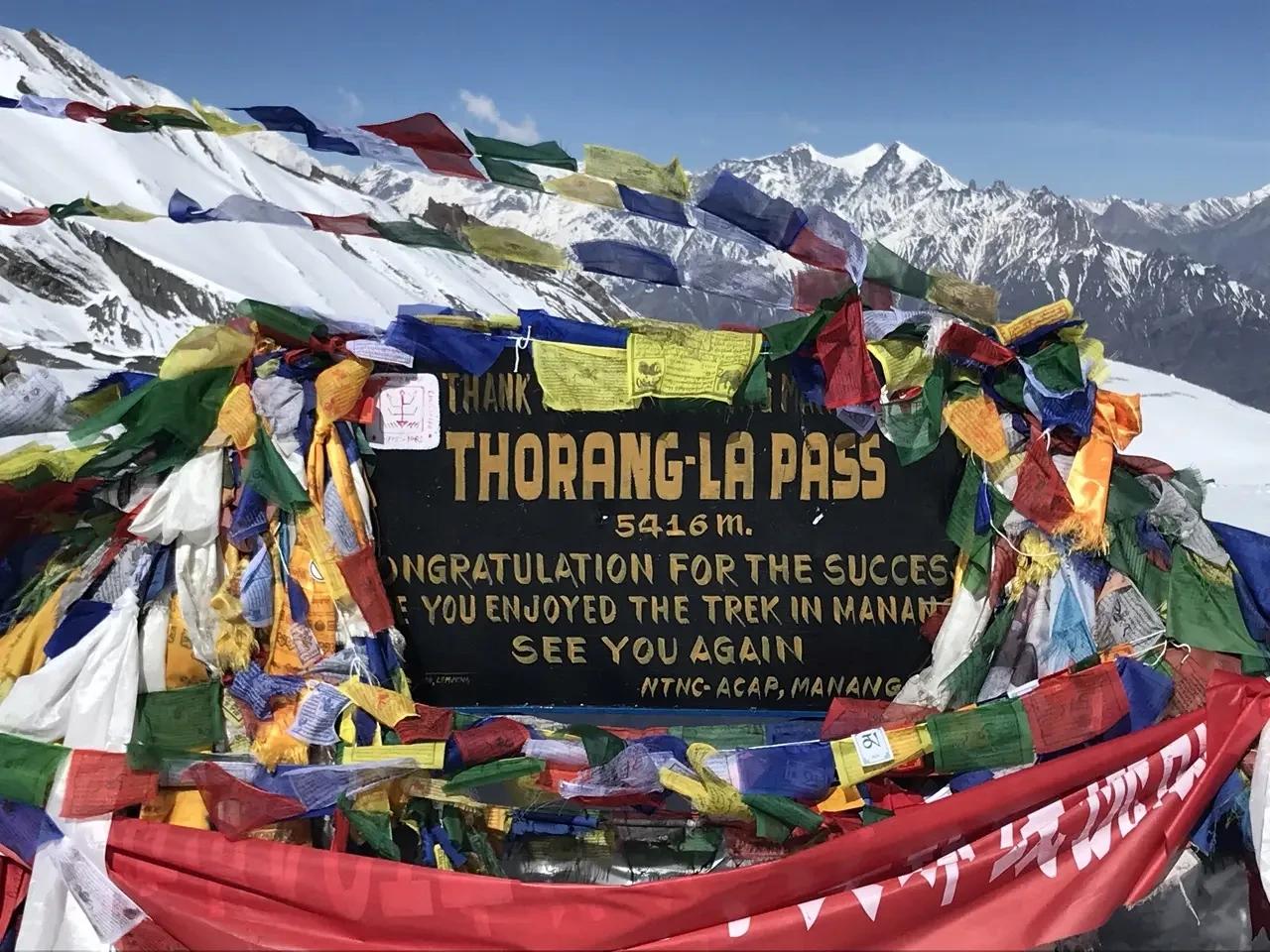
Standing at 5,416 meters (17,769 feet), Thorong La Pass is the highest point of the Annapurna Circuit and one of the most extraordinary non-technical mountain crossings on Earth. For trekkers, reaching this pass is more than just a physical milestone, it’s a powerful moment of achievement surrounded by the towering peaks of the Himalayas.
It connects the green alpine valleys of Manang to the arid, Tibetan-influenced landscapes of Mustang in a single unforgettable day of walking. For trekkers, it is the defining moment of the entire circuit, the day everything the previous week of preparation was building toward.
But make no mistake, this is also the most challenging section of the Annapurna Circuit. Proper acclimatization, smart pacing, and preparation are essential for a safe and successful crossing. This guide covers everything you need to know to cross it safely, confidently, and with the full picture of what to expect.
What Is Thorong La Pass?
Thorong La Pass sits at 5,416 meters (17,769 feet) in Nepal’s Annapurna Conservation Area, forming the natural high point of the Annapurna Circuit trek. Every year, thousands of trekkers cross this pass as part of the full circuit, descending from the Manang valley on the east side down to the sacred site of Muktinath on the west.
It requires no technical climbing skill, but it does demand proper acclimatization, an early start, and genuine respect for high altitude. This guide gives you the honest, experience-based information you need to cross it safely.
Where is Thorong La Pass?
Thorong La Pass lies in Nepal’s Damodar Himal range, within the protected Annapurna Conservation Area. It serves as the natural gateway between two distinct regions:
- Manang: Known for alpine terrain and gradual acclimatization routes
- Mustang: Famous for its desert-like landscapes and Tibetan-influenced culture
Most trekkers approach the pass from the east (Manang side) and descend Thorang Phedi to Muktinath, a sacred pilgrimage site for both Hindus and Buddhists.If you are planning the full journey, consider joining a professionally guided Annapurna Circuit Trek with Hi Nepal Travels and Tours to ensure safety at high altitude.
Planning to cross Thorong La Pass on the Annapurna Circuit? Hi Nepal Travels and Tours offers expertly guided treks with experienced leaders, proper acclimatization schedules, and a strong focus on safety, helping you experience the Himalayas with confidence.
The History of Thorong La Pass
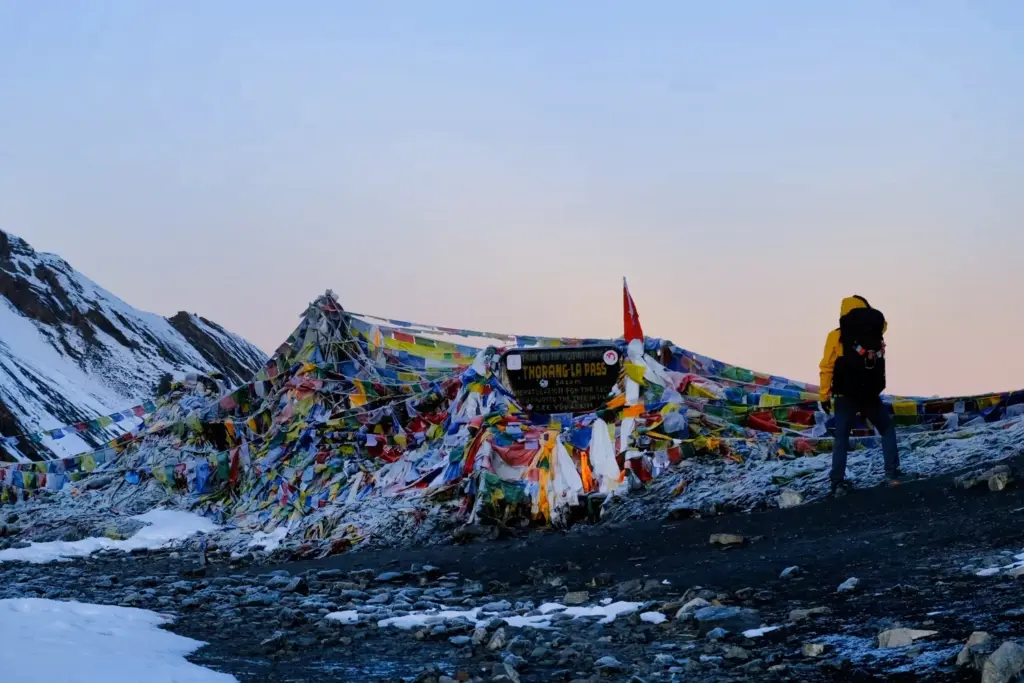
Long before Western trekkers discovered this crossing and it became one of the world’s most famous trekking crossings, Thorong La Pass was an important trade route connecting the Manang region with Mustang and Tibet. For centuries, local merchants, yak caravans, and Hindu and Buddhist pilgrims used this pass to move between Manang and Mustang, carrying salt, wool, grains, and livestock.
The route was never easy. Sudden blizzards, knee-deep snow, and crevasse-hidden trails made every crossing a risk. Yet it remained vital, economically, spiritually, and culturally.
Today, while modern trekking infrastructure has made the Annapurna Circuit safer, the sense of walking a historic Himalayan pathway still adds depth to the journey.
Trekkers are not just hiking through mountains, they are following footsteps that date back generations.
This historical dimension is one reason Thorong Pass feels far more meaningful than a typical mountain pass.
Thorong La Pass Altitude: What Your Body Actually Experiences
Thorong La Pass Height sits at 5,416 meters, where oxygen levels drop to nearly 50% of what you experience at sea level. This is why acclimatization is not optional, it is critical.
| Feature | Details |
|---|---|
| Elevation | 5,416 m / 17,769 ft |
| Trek Difficulty | Challenging (High altitude crossing) |
| Average Crossing Time | 7–9 hours |
| Usual Start Point | Thorong Phedi or High Camp |
| Oxygen Availability | Significantly reduced (≈50% of sea level) |
At this height, even simple movements require more effort. Trekkers often notice slower walking speeds and heavier breathing, which are completely normal reactions to high altitude.
Here is what our clients typically report at the summit:
- Breathing feels labored even while standing still
- Every step on the final ascent requires deliberate effort
- Heart rate elevates faster than expected
- Mild headache is common, even with good acclimatization
- Appetite disappears
This is normal. This is altitude. It is not a sign you are failing, it is your body working hard in a thin-air environment.
What is NOT normal (and requires immediate descent):
- Severe headache that does not improve with rest or water
- Vomiting that does not stop
- Loss of coordination or balance
- Confusion or unusual behavior
- Wet, rattling cough or shortness of breath at rest
Pro Tip: Spend at least one extra day acclimatizing in Manang to dramatically reduce the risk of altitude sickness.
The Real Difficulty of Crossing Thorong La (Honest Assessment)
We want to be direct with you here, because too many travel blogs either oversell the danger to create drama or undersell it to get more bookings.
The truth: Thorong La is hard because of altitude, not terrain.
There are no technical climbing sections. No ropes required. No scrambling. The trail is a well-worn path that thousands of trekkers complete every season.
What makes it genuinely challenging:
1. The oxygen deficit: At 5,416 meters you have half the oxygen of sea level. Your legs know it. Your lungs know it. No amount of fitness fully compensates for this.
2. The summit day duration: You start at 3–4 AM in the dark. You walk for 7–9 hours total. That is a long day even at sea level. At the Thorong La Pass altitude, with cold and wind, it is exhausting.
3. The descent is deceiving: Most trekkers assume the hard part ends when they reach the pass. It does not. The descent to Muktinath is steep, with around 1,600 meters of elevation drop, and it destroys unprepared knees. We always tell our clients: protect your knees on the way down as much as your lungs on the way up.
4. Weather can change instantly: We have seen clear blue skies at 7 AM turn into a whiteout by 9 AM. This is why starting before sunrise is not optional, it is survival strategy.
Who can cross Thorong La? Any reasonably fit person who acclimatizes properly and starts early. We have guided trekkers in their 60s, trekkers with asthma (with doctor clearance), and trekkers who had never hiked before. With the right preparation and pacing, the pass is achievable.
Hi Nepal’s 7 Rules for Crossing Thorong La Safely
After 40+ crossings, these are the non-negotiables we give every client:
Rule 1: Never skip the Manang acclimatization day. One extra day in Manang (3,519 m) is worth more than any other preparation. Non-negotiable.
Rule 2: Start no later than 4:00 AM. Winds on the pass build dramatically after 9–10 AM. Every hour you delay increases the weather risk. We start our groups at 3:30 AM.
Rule 3: Eat even when you do not want to. Altitude kills appetite. Force yourself to eat high-carb foods the night before and a light breakfast before departure. Your body needs fuel.
Rule 4: Hydrate constantly, even in the cold. Cold air suppresses thirst at altitude. Dehydration accelerates altitude sickness. Aim for 3–4 liters throughout the crossing day.
Rule 5: Slow is fast. We have seen fit trekkers burn out before High Camp because they tried to keep a sea-level pace. The golden rule: if you are breathing hard, you are walking too fast. Slow down until speech is easy, then maintain that pace.
Rule 6: Never ascend if symptoms are worsening. If your headache is worse after resting, if you feel confused, or if you are vomiting, go down. The mountain will be there next year. This is not negotiable.
Rule 7: Respect the descent. Use trekking poles. Shorten your stride. Bend your knees. Take breaks. Muktinath is not going anywhere.
Best Time to Cross Thorong La Pass Annapurna Circuit
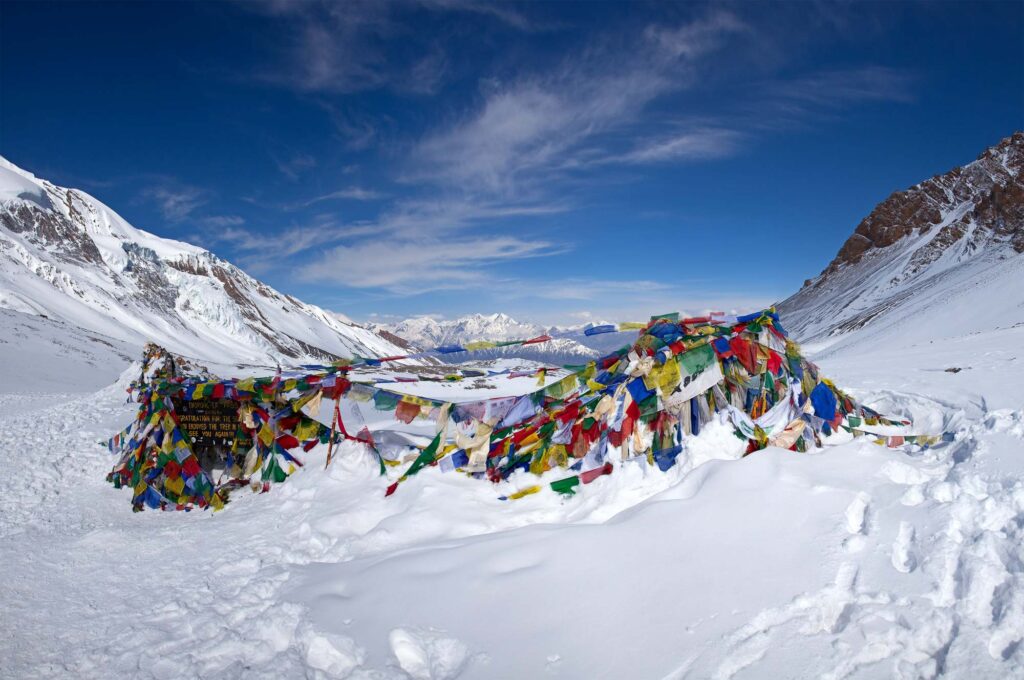
Choosing the right season can make the difference between a spectacular crossing and a dangerous one.
Spring (March–May)
- Stable weather
- Comfortable temperatures
- Blooming rhododendrons at lower elevations
Autumn (September–November)
- Crystal-clear mountain views
- Dry trails
- Ideal trekking conditions
Avoid Monsoon (June–August) due to slippery trails and landslides.
Deep winter crossings are risky because heavy snow can close the pass.
Pro Tip: Autumn is widely considered the safest and most popular season for crossing Thorong La Pass.
Thorong La Pass Weather Conditions
Weather at high altitude changes rapidly.
- Night temperatures can plunge to -20°C (-4°F)
- Strong winds typically build after 9 AM
- Sudden snowstorms are possible
Safest Strategy: Start early and aim to reach the top shortly after sunrise when conditions are calmer.
Always check local forecasts and listen to your guide before attempting the crossing.
Physical Fitness Required for Thorong La Pass Trek
One of the biggest misconceptions is that you need to be an athlete to cross Thorong La.
You don’t.
But you must be prepared.
Ideal Fitness Indicators:
- Comfortable walking 6–8 hours daily
- Strong cardiovascular endurance
- Good leg strength
- Ability to recover overnight
Best Training Before Your Trek:
- Stair climbing
- Incline treadmill walking
- Cycling
- Hiking with a backpack
- Squats and lunges
Start training at least 8–12 weeks before your trek.
Fitness dramatically improves your trekking experience, turning survival into enjoyment.
Acclimatization Tips Before Crossing

Altitude sickness is the biggest risk on the Annapurna Circuit highest pass, but it is largely preventable.
Follow these proven strategies:
✔ Spend an extra night in Manang
✔ Practice “climb high, sleep low”
✔ Stay well hydrated
✔ Eat carbohydrate-rich meals
✔ Avoid alcohol and smoking
✔ Walk slowly, this is not a race
Remember: descending is always the best cure if symptoms worsen.
Your safety in the mountains should never be left to chance. Trekking with Hi Nepal Travels and Tours means your journey is supported by knowledgeable guides trained to recognize altitude symptoms early and respond quickly, giving you peace of mind at high elevation.
Altitude Sickness: Symptoms You Must Never Ignore
At elevations above 5,000 meters, awareness saves lives.
Watch for:
Early Symptoms:
- Headache
- Nausea
- Dizziness
- Loss of appetite
- Poor sleep
Severe Symptoms:
- Difficulty breathing
- Confusion
- Loss of coordination
- Persistent cough
Golden Rule: Never ascend if symptoms worsen.
Descending even 500–1,000 meters can rapidly improve your condition.
A Typical Summit Day: Crossing Thorong La Step by Step

Understanding what summit day looks like helps reduce anxiety and improve preparation.
3:00 AM – Wake-Up Call
Teahouses begin stirring early. You’ll likely eat a light breakfast, porridge, toast, or pancakes, because heavy meals are difficult to digest at altitude.
4:00 AM – Begin the Ascent
Headlamps illuminate a slow-moving line of trekkers climbing steadily uphill.
The pace is intentionally slow. Pole pole (slowly, slowly) is the golden rule of high-altitude trekking.
Sunrise on the Trail
As daylight spreads across the Himalayas, the landscape reveals frozen ridges and vast glacial valleys.
This is often the most magical portion of the climb.
7–9 AM – Reach Thorong La Pass
Trekkers typically spend only a short time at the top due to wind and cold temperatures.
Photos. Hugs. Relief.
Then it’s time to descend.
Late Morning – Begin Descent to Muktinath
Gravity helps, but the downhill can feel relentless.
Take breaks and protect your knees.
Afternoon – Arrival in Muktinath
Warm food never tastes better.
Neither does rest.
Crossing the highest pass in the Annapurna Circuit becomes significantly safer and more enjoyable with experienced support. Hi Nepal Travels and Tours provides trained guides who monitor altitude, pace the trek properly, and ensure you are fully prepared for summit day.
How Long Does it Take to Cross Thorong La Pass?
Most trekkers need 7–9 hours to travel from Thorong Phedi to Muktinath.
Typical breakdown:
- 4–5 hours: Gradual ascent to the pass
- 10–20 minutes: Photos and celebration
- 3–4 hours: Steep descent
Your pace will depend on weather, fitness, and altitude adaptation.
Thorong Phedi vs High Camp – Where Should You Stay?
This is one of the most debated decisions before crossing the highest pass in the Annapurna Circuit.
| Factor | Thorong Phedi | High Camp |
|---|---|---|
| Altitude | Lower altitude → safer sleep | Higher altitude → harder on the body |
| Summit Day | Longer hiking day | Shorter climb to Thorong La Pass |
| Acclimatization | Better for altitude adjustment | Less time to acclimatize |
| Weather Conditions | More sheltered | Colder and windier |
| Best For | Recommended for most trekkers | Suitable for experienced hikers |
Recommendation: Stay at Thorong Phedi unless you have previous high-altitude experience above 5,000 meters. The extra 400 meters of elevation saved at High Camp is not worth the worse sleep and increased AMS risk for most people.
Essential Packing List for Thorong La Pass Annapurna Circuit
Preparation is everything at extreme altitude.
Must-have gear:
Clothing (Layers are everything):
- Down jacket (minimum -10°C rated)
- Thermal base layer top and bottom
- Fleece mid-layer
- Waterproof, windproof outer shell
- Insulated gloves (not thin liner gloves — proper winter gloves)
- Warm wool or fleece hat covering ears
- Neck gaiter or balaclava
- Warm trekking socks (merino wool)
Gear:
- Trekking poles — mandatory, not optional
- Headlamp with fresh batteries (you start in the dark)
- Sunglasses with UV400 or glacier rating
- Sunscreen SPF 50+ (UV is intense at altitude)
- Small daypack for summit day
Health & Safety:
- Diamox (acetazolamide) — consult your doctor before travel
- Pulse oximeter (inexpensive, invaluable)
- Basic first aid kit
- Rehydration salts
- High-energy snacks: nuts, chocolate, energy gels, dried fruit
Documents:
- ACAP permit
- TIMS card
- Travel insurance documents (must cover helicopter evacuation above 5,000 m)
Packing smart reduces fatigue and improves safety.
Already picturing yourself on the trail? Hi Nepal Travels and Tours provides trained guides, custom acclimatization schedules, and 24/7 support — so you can focus on the experience, not the logistics. Plan Your Trek.
Required Permits for Thorong La Pass: What You Actually Need (2026/2027 Updated Figures)
Here is what you need as of 2025/2026:
Required Permits:
- ACAP (Annapurna Conservation Area Permit): NPR 3,000 (~USD $22)
- TIMS Card (Trekkers’ Information Management System): NPR 2,000 (~USD $15)
Where to get them: Both permits are available at the Nepal Tourism Board office in Kathmandu (Pradarshani Marg) or the ACAP office in Pokhara (Damside). Bring two passport-size photos and a copy of your passport. Budget 1–2 hours. If you are booking with Hi Nepal Travels and Treks, we handle all permit paperwork as part of your package.
Travel Insurance: Non-Negotiable

We want to say this clearly because we have seen what happens when people skip it.
You must have travel insurance that explicitly covers helicopter evacuation above 5,000 meters.
A helicopter rescue from the Thorong La area can cost USD $3,000–$6,000. We have guided trekkers who needed evacuation. Without insurance, that cost falls entirely on you or your family.
Do not choose a policy based on price alone. Read the fine print. Confirm altitude coverage. World Nomads, True Traveller, and Safety Wing are commonly used by our clients, but verify your own policy details.
Independent vs. Guided Trek: Which is Right for You?
We are a trekking company, so you might expect us to simply recommend guided trekking. But we want to give you the real picture.
Independent trekking is possible and legal. Many experienced trekkers cross Thorong La every year without a guide and have a great experience.
Where independent trekking becomes risky:
- No one monitors your altitude symptoms objectively, you cannot accurately assess your own AMS
- In bad weather, navigation becomes genuinely difficult
- In a medical emergency, response time without a guide is significantly slower
- You miss cultural and historical context that transforms the experience
Where a guide adds real, measurable value:
- Early recognition of altitude sickness, our guides have caught AMS in trekkers who felt completely fine
- Real-time weather decision-making based on local knowledge
- Communication in Nepali with teahouse owners and locals along the route
- Structured acclimatization scheduling tailored to your fitness
- Emergency evacuation coordination if needed
Our honest take: For first-time high-altitude trekkers, or anyone with any underlying health conditions, a guide is not a luxury, it is risk management. The mountain does not care how fit you are. It cares whether someone experienced is watching over you.
Have questions about whether a guided or independent trek is right for you?
Contact us and we will give you an honest answer based on your experience level, no pressure.
What Makes Thorong La Pass Unforgettable?
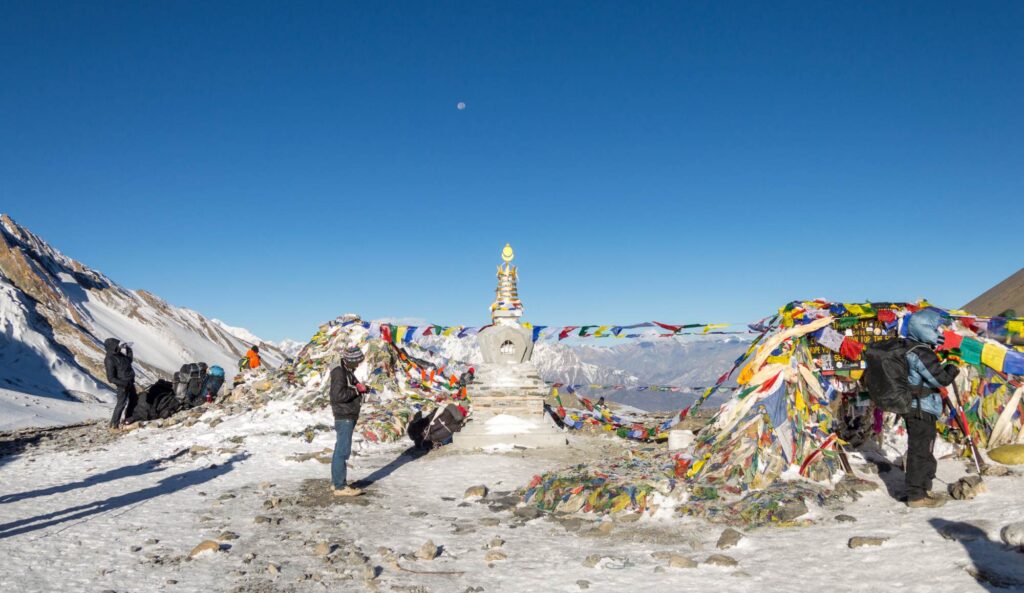
Reaching Thorong La is the defining moment of the entire Annapurna Circuit. After days of trekking through forests, river valleys, and mountain villages, standing at 5,416 meters delivers a sense of triumph that very few adventures in the world can match.
But what makes it truly unforgettable is not just the altitude — it is everything that comes together in that single day.
- 360° Himalayan Views – From the summit, Annapurna, Dhaulagiri, and the surrounding giants stretch across the horizon in every direction. On a clear morning, the view alone is worth every difficult step.
- The Landscape Shift – In one crossing, you walk from the lush green valleys of Manang into the stark, wind-carved desert of Mustang. Few places on Earth let you witness such a dramatic geographical change on foot.
- The Prayer Flags – Seeing those flags appear through the thin morning air after hours of climbing is a moment trekkers describe for years. They mark not just a geographical point but a personal one.
- The Achievement – For most trekkers this crossing represents months, sometimes years, of planning and dreaming. That weight makes the summit feel unlike anything else.
What makes Thorong La rare is the balance it strikes. It combines extreme altitude, physical challenge, cultural depth, and spiritual landscapes, yet it remains achievable for any determined trekker willing to prepare properly. It is not a technical climb. It is not reserved for elite athletes.
It sits in that rare space between true adventure and genuine accessibility. And that balance is exactly what makes it legendary.
What the Summit of Thorong La Pass Feels Like?
After hours of steady climbing in near silence, broken only by crunching snow and controlled breathing, colorful prayer flags begin to appear in the distance.
That is when it hits you:
You are about to stand on the highest pass in the Annapurna Circuit.
The final stretch is often emotional. Some trekkers laugh, some cry, and others simply stare at the endless Himalayan horizon.
At the top you’ll find:
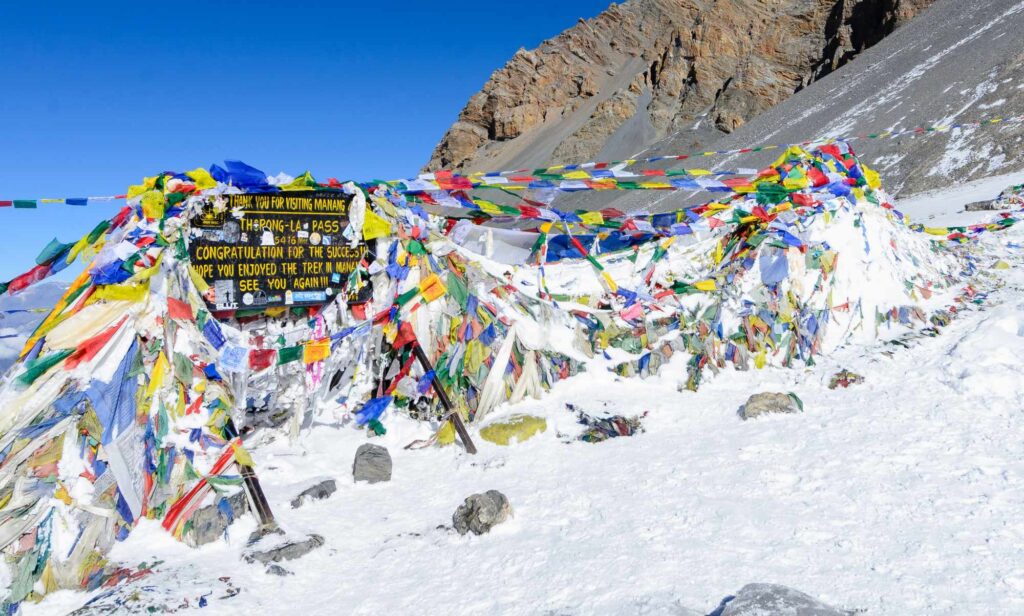
- A sign marking Thorong La Pass height 5,416 meters
- Ice-coated rocks
- Powerful alpine winds
- Endless mountain layers fading into the sky
But perhaps the strongest sensation is pride.
Crossing Thorong La is not about speed or competition; it is about perseverance. Many trekkers describe it as one of the most rewarding moments of their lives.
After the Crossing: What Awaits in Muktinath
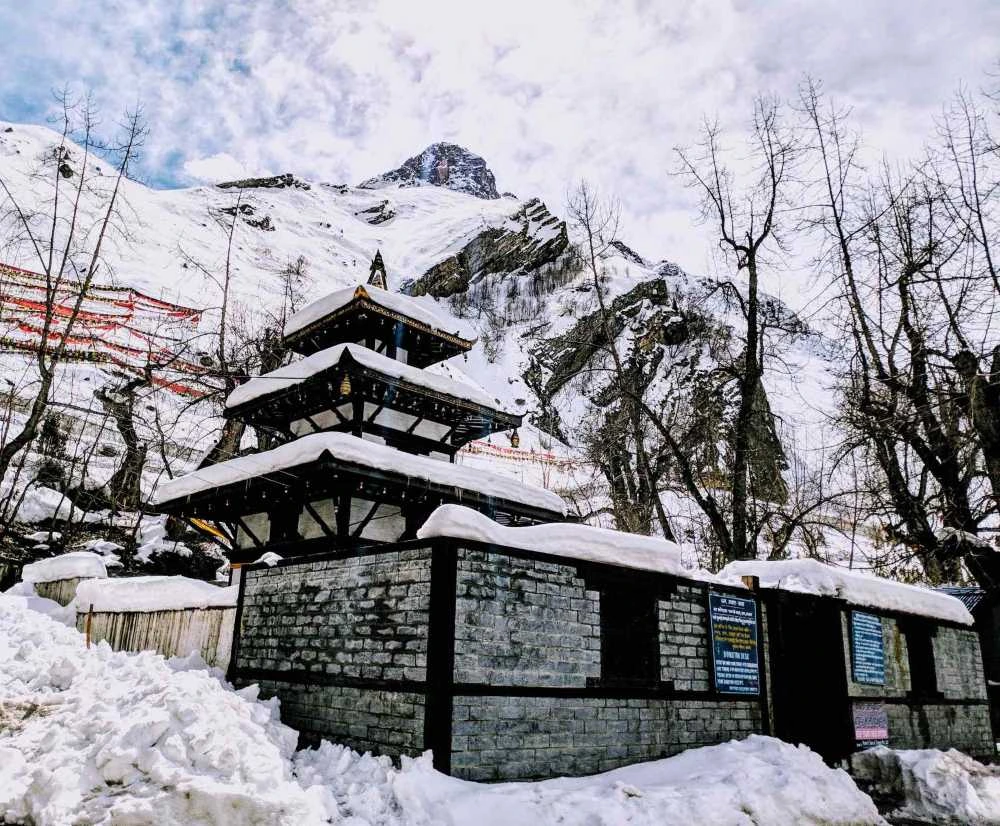
The descent brings you to Muktinath, one of Nepal’s most sacred pilgrimage sites, revered by both Hindus and Buddhists.
At 3,760 meters, the air feels thick and warm compared to where you started the day. Your legs are tired. But something else is present, a quiet pride that is hard to explain to anyone who has not felt it.
Muktinath Temple complex features:
- 108 sacred water spouts where pilgrims purify themselves
- The eternal flame fed by natural gas seeping through water
- Views across the arid Mustang plateau unlike anything on the eastern side
Many trekkers describe the temple visit after crossing as unexpectedly moving, you have just tested yourself physically and mentally, and you arrive at a place that has drawn pilgrims for centuries for exactly the same reason: perseverance.
The Mental Challenge of Crossing the Highest Pass
Most trekkers prepare physically. Far fewer prepare mentally.
High altitude strips away distractions. Walking becomes rhythmic, almost meditative.
Doubts may surface:
- “Can I make it?”
- “Am I walking too slow?”
- “Why is the top still so far?”
But step by step, something shifts. You realize the climb is as much internal as it is external.
By the time you reach the summit, you are not the same person who started the trek days earlier.
Thorong La has a quiet way of building resilience.
Mistakes to Avoid When Crossing Thorong La Pass
Avoid these common errors:
❌ Trekking too fast
❌ Skipping acclimatization days
❌ Ignoring symptoms
❌ Packing too heavy
❌ Starting late
❌ Underestimating the descent
Smart trekkers respect the mountain, and are rewarded for it.
Is Thorong La Pass Worth It?
Absolutely.
Yes, it is cold.
Yes, it is demanding.
Yes, it will push your limits.
But few travel experiences deliver such a profound sense of accomplishment.
Years later, trekkers often forget the discomfort, but vividly remember the moment they stood beneath the prayer flags at 5,416 meters.
Thorong La is not just a place you cross.
It is a milestone you carry forever. If you are reading this and wondering whether to commit, this is your sign. The next step is simply making the decision.
Conclusion: A Crossing That Defines Your Himalayan Adventure
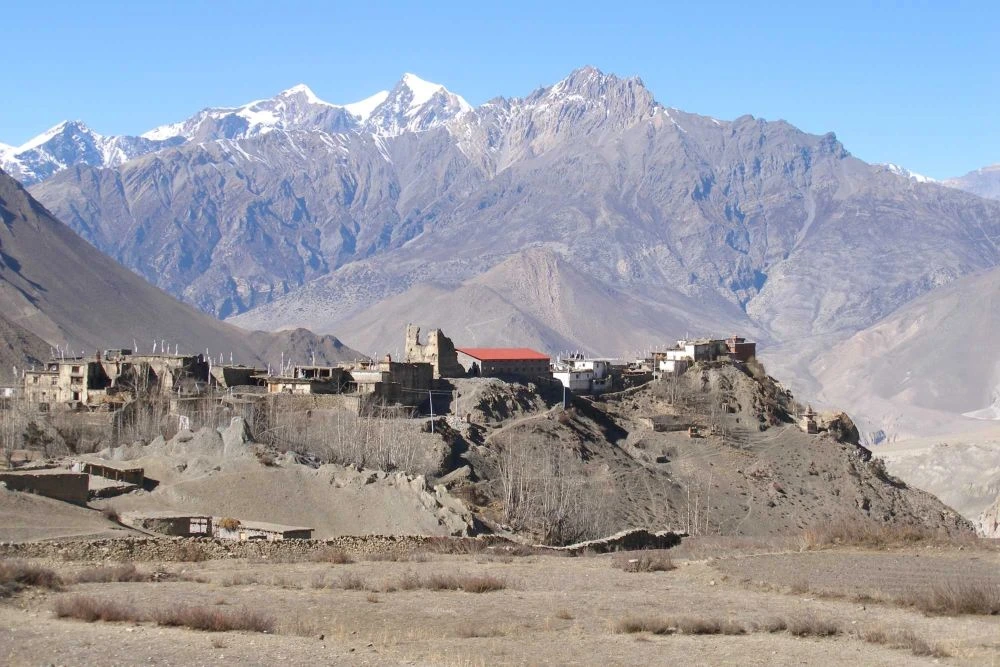
Crossing Thorong La Pass, the highest pass in the Annapurna Circuit, is more than just reaching a geographical point. It is a test of resilience, patience, and determination, rewarded with some of the most spectacular mountain scenery on Earth.
From the quiet anticipation of an early alpine start to the emotional moment beneath fluttering prayer flags, this experience stays with trekkers long after the journey ends.
Ready to cross Thorong La Pass? Hi Nepal Travels and Treks has been guiding trekkers safely over this pass for over 20 years. Tell us your dates, and we will handle everything else. Book Your Trek Now!!
FAQs About Thorong La Pass
-
How high is Thorong La Pass?
Thorong La Pass Height stands at 5,416 meters (17,769 feet) above sea level.
-
How hard is the Thorong La Pass?
Thorong La Pass Trek is considered moderate to challenging, mainly due to its extreme altitude of 5,416 meters rather than technical difficulty. Trekkers must walk 7–9 hours on summit day with thin oxygen levels. With proper acclimatization, steady pacing, and good fitness, most determined trekkers can cross safely.
-
What is the highest walkable pass in the world?
Thorong La Pass is often listed among the highest walkable mountain passes in the world that do not require mountaineering skills. While some higher passes exist, many demand technical climbing. Thorong La remains famous because trekkers can reach it by foot as part of the Annapurna Circuit.
-
Is Thorong La harder than Everest Base Camp?
Many trekkers find Thorong La more physically demanding due to the single-day high-altitude crossing.
-
Do you need oxygen to cross Thorong La?
Most trekkers do not require supplemental oxygen if properly acclimatized.
-
Is Thorong La Pass higher than Everest Base Camp?
Yes, Thorong La Pass (5,416 m) is significantly higher than Everest Base Camp (5,364 m). Although the difference is only about 52 meters, crossing Thorong La can feel more demanding because trekkers must ascend and descend in a single day.
This makes it one of the highest trekking passes in Nepal. -
What time should you start crossing?
Typically between 3 AM and 4 AM to avoid strong winds.
-
Has anyone died crossing Thorong La Pass?
Fatalities are rare but have occurred, usually due to altitude sickness or severe weather, reinforcing the importance of preparation.
-
What is special about Thorong La Pass?
Thorong La Pass Trek is special because it is the highest point of the Annapurna Circuit, offering breathtaking Himalayan panoramas and a dramatic transition from the green Manang valley to Mustang’s high-altitude desert. The crossing combines physical challenge, cultural depth, and spiritual scenery, making it a bucket-list achievement for trekkers worldwide.
-
What is the oxygen level at Thorong La Pass?
At a height of 5,416 meters, oxygen levels are roughly 50% lower than at sea level. This reduced oxygen is why trekkers often experience slower movement and heavier breathing. Proper acclimatization days, especially in Manang, help the body adjust and significantly reduce the risk of altitude sickness.
-
Which is the toughest trek in Nepal?
Nepal offers many challenging treks, but routes like the Kanchenjunga Circuit, Dhaulagiri Circuit, and Upper Dolpo Trek are often considered tougher than the Annapurna Circuit due to remoteness and duration. However, crossing Thorong La Pass is still one of the biggest altitude challenges accessible to mainstream trekkers.
-
What is the #1 hike in the world?
There is no single official “#1 hike,” but the Annapurna Circuit consistently ranks among the world’s greatest treks thanks to its diverse landscapes, cultural richness, and the dramatic crossing of Thorong La Pass. Many adventure publications list it as a top lifetime trekking experience.
-
Which is better Thorong La pass or Annapurna Base Camp?
Neither is strictly better, they offer very different experiences.
–Thorong La Pass / Annapurna Circuit: Ideal for trekkers seeking variety, high altitude, and long-distance adventure.
–Annapurna Base Camp: Better for those wanting a shorter trek with close-up mountain views.
If you prefer challenge and diversity, Thorong La wins. If you want accessibility, ABC is a great choice. -
Is Thorong La Pass safe?
Yes, Thorong La Pass is generally safe for trekkers who acclimatize properly, monitor weather conditions, and avoid rushing the ascent. Most incidents occur due to altitude sickness or sudden storms, both of which can be minimized with preparation and experienced guides.
-
Can beginners cross Thorong La Pass?
Yes, with proper preparation. We have guided true beginners to the summit. The requirements are: reasonable cardiovascular fitness, full acclimatization, slow pacing, and an early start. Technical skill is not required.